


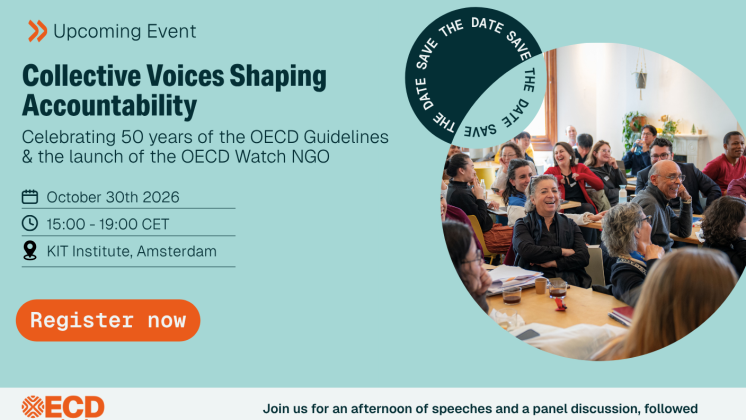
Featured Event
Our network
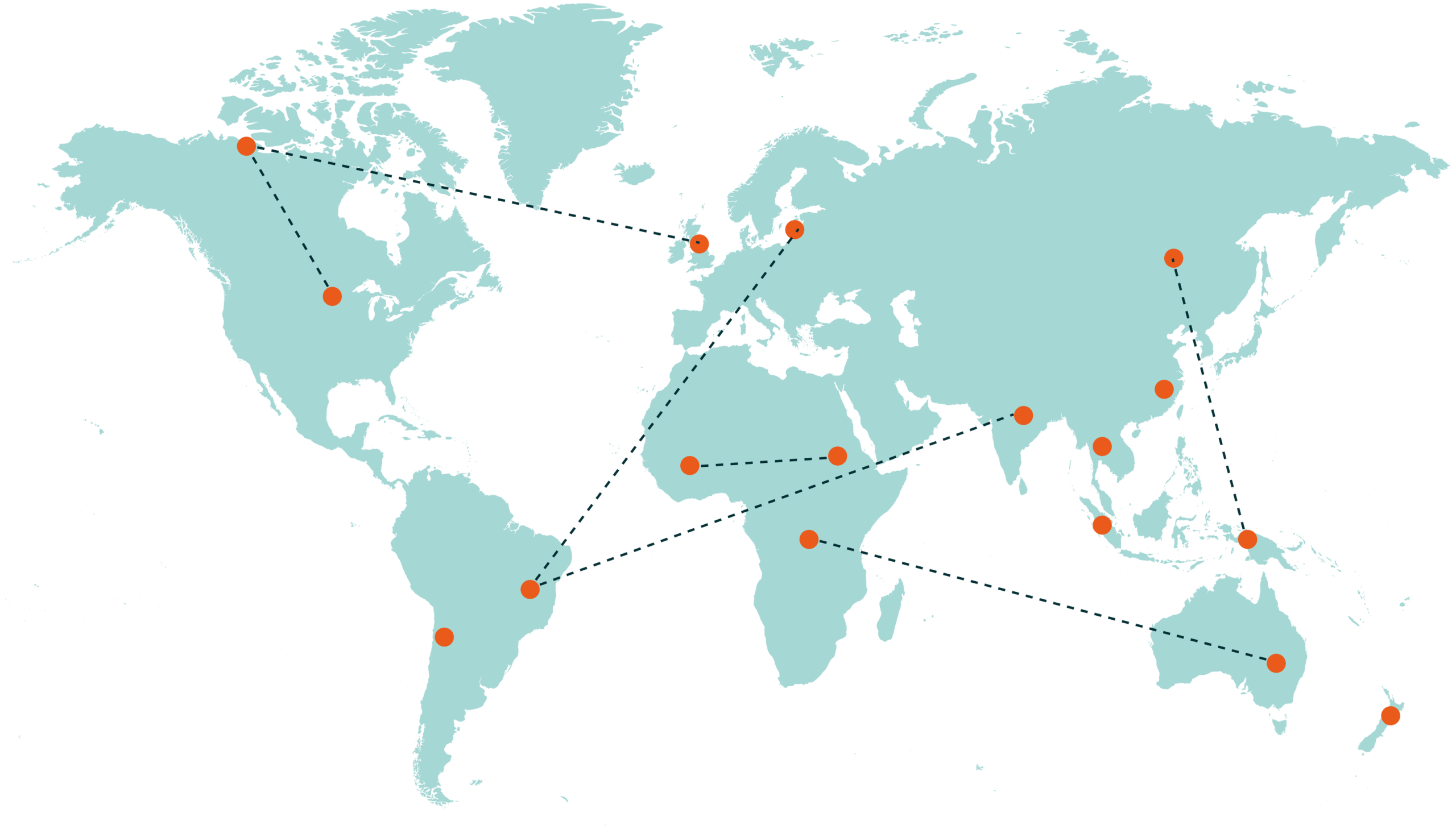
OECD Watch is a global civil society network consisting of a diverse range of non-governmental organisations (NGOs) as well as grassroots and community groups. We share a common vision: that corporations must be held accountable for their negative impacts on people and the planet
What we do
We help communities and civil society organisations access justice for business-related harms. We provide strategic advice on OECD Guidelines and National Contact Point (NCP) complaints, connect communities with other remedy mechanisms, and work to strengthen NCPs and the wider system for corporate accountability.
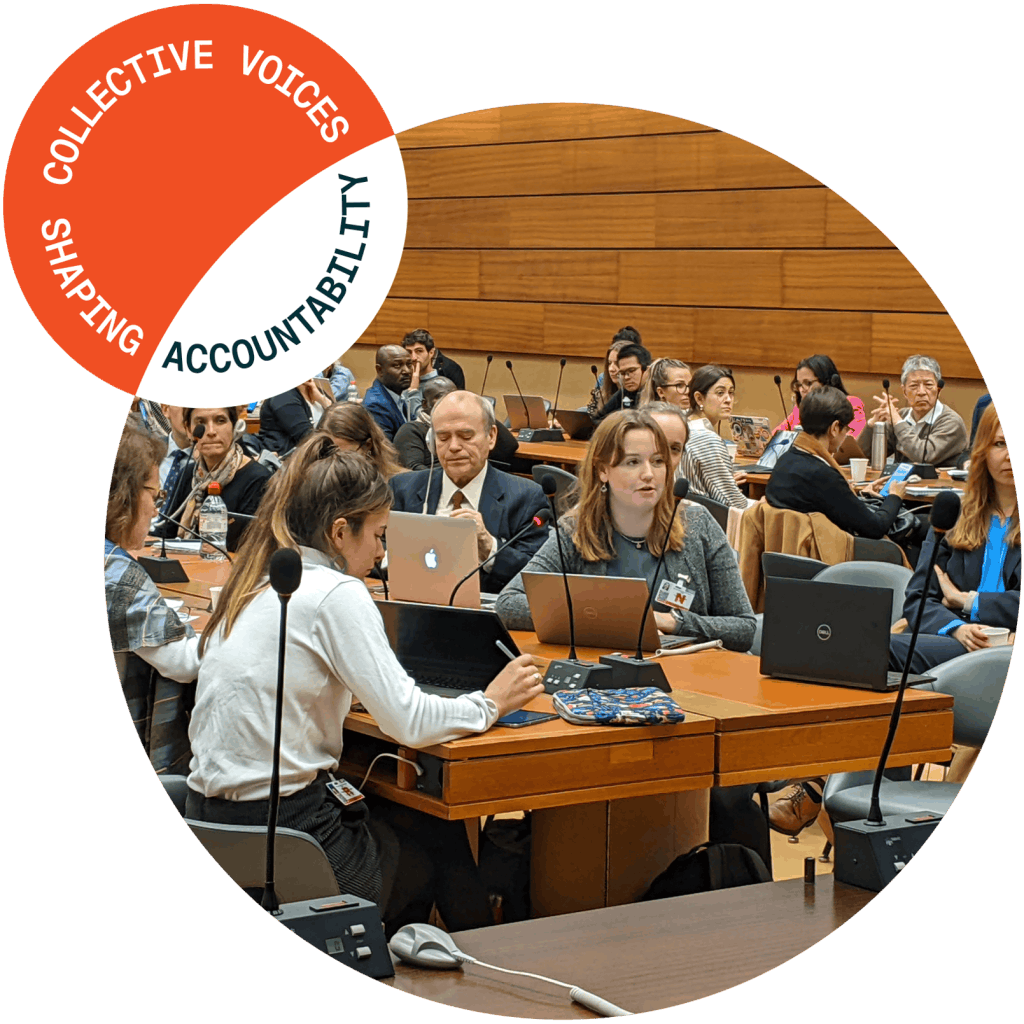
As the official civil society representative to the OECD's Investment Committee, we raise the voices and priorities of civil society across various policy topics at the OECD. We engage strategically across OECD workstreams and committees where responsible business conduct is on the agenda, and use our unique access to policy spaces to build collective support for strong international standards.
We support civil society and policymakers in strengthening corporate accountability rules and responsible business conduct frameworks in line with the OECD Guidelines. Our work helps connect international standards, emerging policy approaches, and civil society expertise to advance stronger expectations for responsible business conduct.
How we work
Building bridges
We connect civil society groups worldwide to facilitate best practice sharing and strategic collaboration. We also link them to the OECD and governments so they can directly shape policymaking.
Building capacity
We provide technical training and case specific advice so that communities can use the Guidelines effectively.
Advocating change
Members ground our advocacy in communities’ experience, helping us push for rights-based policymaking at the OECD and beyond, and a sustainable economic worldview for the OECD to promote in the coming era.
Sharing knowledge
We track relevant OECD policy advances and analyse NCP performance and complaint outcomes to improve civil society advocacy and remedy strategies.
Complaints Database
Explore our database of civil society and community complaints to National Contact Points worldwide. Follow case developments, compare experiences, and find insights into complaint outcomes and trends.
NCP Evaluations
See how individual National Contact Points perform against key indicators that assess their complaint procedures, promotional activities, and organisational structures.
See the latest
Testimonials